
The History of Matcha
From Ancient Japanese Tea Ceremonies to Modern Cafés
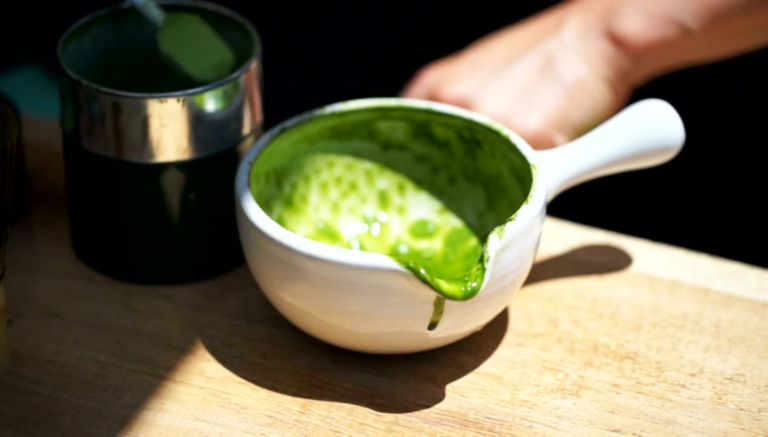
Matcha, the finely ground powder of specially grown green tea leaves, has a rich history that spans centuries. From its origins in ancient China to its cultural significance in Japan and its recent global popularity. The fascinating journey of this vibrant green tea is one to explore.
Ancient Beginnings
The story of matcha begins in China during the Tang Dynasty (618-907 AD). It was during this time that tea leaves were steamed and formed into bricks for easy storage and trade. The tea would be prepared by roasting and pulverising the leaves, then mixing the resulting powder with hot water and salt.
Journey to Japan
In 1191, the Zen monk Eisai brought tea seeds to Japan from China, along with the Buddhist methods of preparing powdered green tea. This marked the beginning of matcha's deep integration into Japanese culture.
The Rise of the Tea Ceremony
During the Song Dynasty in China (960-1279 AD), whipped tea became popular. However, it was in Japan that this preparation method evolved into the highly ritualised tea ceremony known as "chanoyu" or "sado" (the way of tea).
The influential tea master Sen no Rikyu (1522-1591) played a crucial role in elevating the tea ceremony to an art form, emphasising simplicity, respect, purity, and tranquility. These principles, known as "wabi-sabi," became central to the Japanese tea ceremony and remain so to this day.
Matcha in Japanese Culture
Over time, matcha became deeply ingrained in Japanese culture. It was enjoyed by samurai warriors before battle for energy and focus, and by Zen monks to stay alert during long hours of meditation. The tea ceremony became a symbol of Japanese hospitality, refinement, and philosophical thought.
The Modern Matcha Boom
In the late 20th and early 21st centuries, matcha began to gain popularity outside of Japan. Its unique flavour, vibrant colour, and health benefits attracted attention in the West.
Cafés started offering matcha lattes, culinary enthusiasts began incorporating it into various recipes, and health-conscious consumers embraced it as a superfood.
Matcha Today
Today, matcha can be found in cafés, restaurants, and homes around the world. While it's often prepared in modern ways - as lattes, smoothies, or in baked goods - many still appreciate the meditative qualities of preparing and consuming matcha in the traditional manner.
From ancient Chinese monasteries to modern global cafés, matcha has come a long way. Its journey reflects not just the spread of a beverage, but the transmission of cultural practices and the enduring human appreciation for ritual, refinement, and the simple pleasure of a carefully prepared cup of tea.
As we sip our matcha today, whether in a paper cup on the go or in a traditional tea bowl, we're participating in a practice that connects us to centuries of history and tradition.