
The Global Matcha Movement
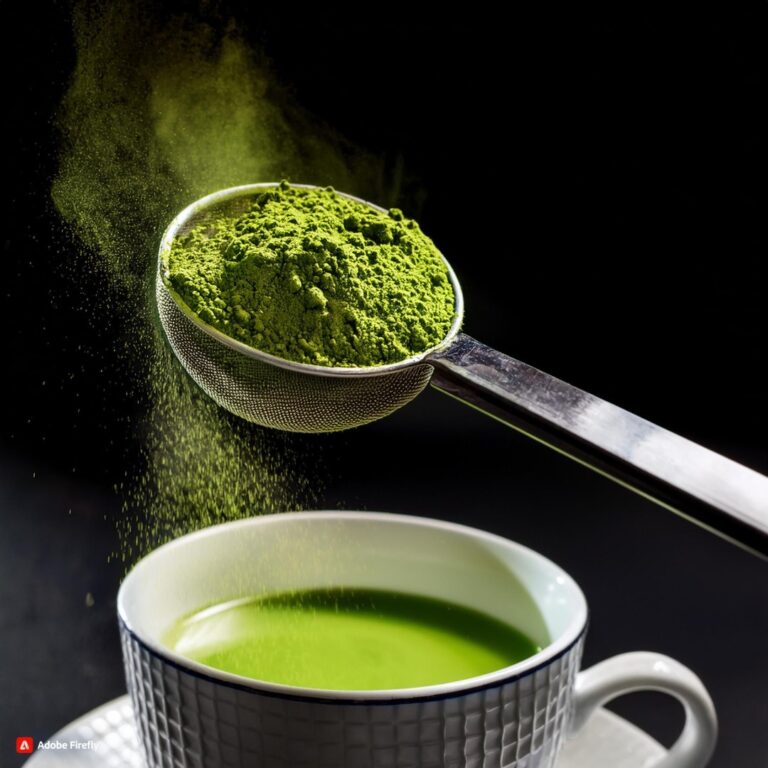
How It's Changing Tea Culture Worldwide
Once confined to traditional Japanese tea ceremonies, matcha has undergone a remarkable global transformation in recent years. This finely ground green tea powder has sparked a worldwide movement, influencing beverage trends, culinary practices, and even lifestyle choices. Let's explore how matcha is reshaping tea culture across the globe.
From Ancient Tradition to Modern Sensation
Matcha's journey from a meditative ritual in Japanese monasteries to a global phenomenon is nothing short of extraordinary. Its rise to fame can be attributed to several factors:
• Health Benefits: As awareness of matcha's high antioxidant content and potential health benefits spread, health-conscious consumers worldwide embraced it.
• Instagram-Worthy Aesthetics: Matcha's vibrant green colour makes for visually striking beverages and dishes, perfect for social media sharing.
• Café Culture: Specialty coffee shops and tea houses began featuring matcha drinks, introducing it to a wider audience.
• Culinary Versatility: Chefs and food manufacturers started incorporating matcha into various recipes, from lattes to ice cream to savoury dishes.
Matcha's Global Footprint
North America
• Matcha lattes have become a café staple
• Matcha-flavoured foods like mochi, Kit Kats, and even matcha beer are gaining popularity
• Matcha supplements and beauty products are trending
Europe
• High-end tea shops now often feature ceremonial grade matcha
• Matcha is being incorporated into fine dining experiences
• Matcha-based cocktails are emerging in trendy bars
• Australia and New Zealand
• Matcha has found a place in the thriving coffee culture
• Matcha smoothie bowls and health foods are popular among fitness enthusiasts
Southeast Asia
• Countries like Singapore and Thailand have seen a surge in matcha-flavoured desserts and bubble tea
• Matcha-themed cafés are becoming tourist attractions
Impact on Global Tea Culture
• Elevating Tea's Status: Matcha has helped elevate tea to a gourmet beverage status, similar to specialty coffee.
• Promoting Mindfulness: The traditional preparation of matcha encourages mindfulness, influencing how people approach tea consumption.
• Fusion of Traditions: Matcha is often prepared in non-traditional ways, creating a fusion of Eastern and Western tea cultures.
• Health-Centric Approach: Matcha has contributed to a growing interest in the health benefits of tea in general.
• Sustainability Focus: The popularity of matcha has increased interest in sustainable tea farming practices.
Challenges and Controversies
The global matcha boom isn't without its challenges:
• Quality Concerns: The surge in demand has led to varying quality standards in the global market.
• Cultural Appropriation Debates: Some argue that the commercialisation of matcha disconnects it from its cultural roots.
• Environmental Impact: Increased demand raises questions about sustainable farming and transportation practices.
The Future of the Matcha Movement
As matcha continues to grow in popularity, we can expect:
• More innovative matcha-based products and applications
• Increased focus on matcha quality and origin
• Growing interest in other traditional Japanese teas
• Continued integration of matcha into various cultural contexts worldwide
The global matcha movement represents more than just a trend; it's a cultural shift in how we view and consume tea. As matcha continues to bridge traditions and innovate new ones, it's clear that this green powder has left an indelible mark on global tea culture.