
Matcha vs Coffee
A Comparison of Energy Boosts and Health Benefits
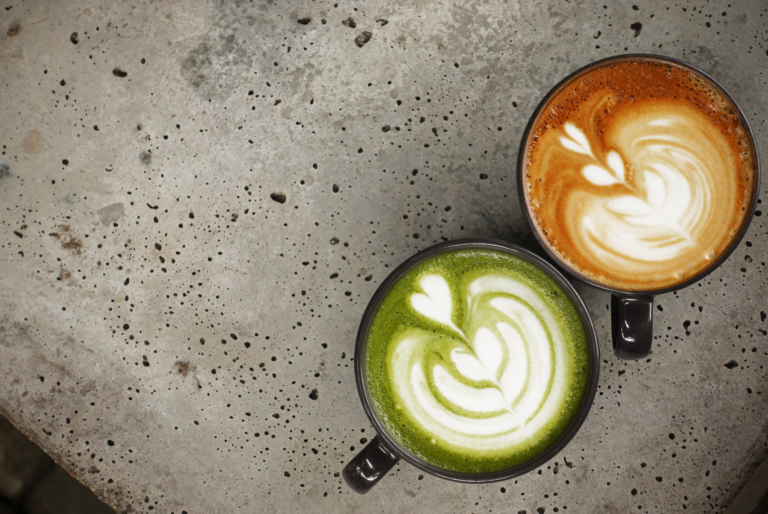
Matcha vs coffee; Both offer a morning pick-me-up and boast various health benefits, but they differ significantly in their effects on the body and overall nutritional value. Let's dive into a comparison of these popular drinks.
Energy Boost
Coffee:
• Provides a quick, intense energy spike due to its high caffeine content
• Effects typically last 2-3 hours, often followed by a "crash"
• Average cup (8 oz) contains 95-200 mg of caffeine
Matcha:
• Offers a more sustained, calm energy due to the combination of caffeine and L-theanine
• Effects can last 4-6 hours without the jittery feeling or crash
• One serving (1-2 tsp) contains about 70 mg of caffeine
Health Benefits
Coffee:
• Rich in antioxidants, particularly chlorogenic acid
• May reduce risk of type 2 diabetes, Parkinson's disease, and liver disease
• Can improve cognitive function and physical performance
Matcha:
• Extremely high in antioxidants, especially catechins like EGCG
• May boost metabolism and aid in weight loss
• Contains L-theanine, which can reduce stress and improve focus
• Rich in chlorophyll, which may help detoxify the body
Nutritional Content
Coffee:
• Virtually calorie-free when consumed black
• Contains small amounts of B vitamins and potassium
Matcha:
• Contains various vitamins (A, C, E, K) and minerals (potassium, zinc, magnesium)
• Provides dietary fibre
• Contains L-theanine, an amino acid rarely found in other foods
Taste and Versatility
Coffee:
• Bold, bitter taste that many acquire a preference for
• Versatile in brewing methods (espresso, drip, French press, etc.)
• Used in various desserts and recipes
Matcha:
• Unique, earthy flavour with umami notes
• Can be prepared traditionally or used in modern recipes (lattes, smoothies, baked goods)
• Vibrant green color makes it visually appealing in foods and drinks
Potential Drawbacks
Coffee:
• Can cause jitters, anxiety, and sleep disturbances in some people
• May lead to caffeine dependency
• Can stain teeth over time
Matcha:
• Contains caffeine, which some people may be sensitive to
• High-quality matcha can be expensive
• Strong taste might not appeal to everyone initially
While both matcha and coffee offer unique benefits, matcha provides a more balanced energy boost and a wider array of nutrients. However, personal preference in taste and effects will ultimately guide your choice.
Remember, moderation is key with any caffeinated beverage. Listen to your body and enjoy your drink of choice mindfully!