
Matcha Grades Explained
Differences Between Ceremonial, Premium, and Culinary
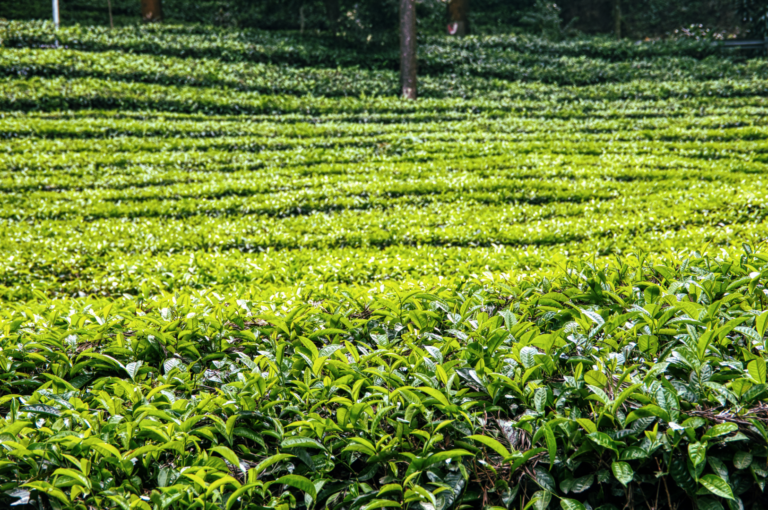
When diving into the world of matcha, you'll quickly discover that not all matcha is created equal. The grade of matcha can significantly impact its flavour, color, and optimal use. In this post, we'll explore the main grades of matcha - Ceremonial, Premium, and Culinary.
Ceremonial Grade Matcha
Characteristics:
• Highest quality available
• Vibrant green color
• Smooth, delicate flavour with natural sweetness
• Made from the youngest tea leaves
Production:
• Grown in the shade for 20-30 days before harvest
• Stone-ground into a fine powder
• Stems and veins are meticulously removed
Best Used For:
• Traditional tea ceremony
• Drinking straight, whisked with hot water
• Experiencing the pure, authentic matcha flavour
Price Point:
• Most expensive grade
Premium Grade Matcha
Characteristics:
• High quality, but a step below ceremonial
• Bright green color, though slightly less vibrant than ceremonial
• Pleasant flavour, might have a slightly more astringent note
Production:
• Made from young leaves, but may include some slightly more mature leaves
• Stone-ground, but may be slightly less fine than ceremonial
Best Used For:
• Everyday drinking
• Lattes and other milk-based drinks
• Light culinary use (e.g., smoothies, no-bake desserts)
Price Point:
• Mid-range, more affordable than ceremonial but pricier than culinary
Culinary Grade Matcha
Characteristics:
• Lower grade, but still good quality
• Less vibrant green, may have a yellow or brown tinge
• Stronger, more astringent flavour
Production:
• Made from more mature tea leaves
• May be ground slightly coarser
• May include ground stems and veins
Best Used For:
• Baking and cooking
• Strongly flavoured drinks where matcha isn't the star
• Experiments and daily use where large quantities are needed
Price Point:
• Most affordable grade
How to Choose
• For pure matcha tea: Choose Ceremonial grade for the best flavour and experience.
• For lattes and everyday drinking: Premium grade offers a good balance of quality and affordability.
• For baking and cooking: Culinary grade stands up well to other flavours and is cost-effective for recipes requiring larger amounts.
A Note on Quality
Regardless of grade, always look for matcha that is:
• Vibrant green (relative to its grade)
• Finely ground
• From Japan (particularly regions like Uji, Nishio, or Shizuoka)
• Organic, if possible
Remember, a high-quality culinary grade can be better than a low-quality ceremonial grade. Always buy from reputable sources and don't be afraid to experiment to find your perfect matcha match!